Looking for small-business space in Torrance can feel simple at first. Then the real questions show up fast: Will your use be allowed here? Is the parking workable? Can you open on time if permits or buildout are involved? If you are trying to make a smart lease decision without getting surprised later, this guide will help you focus on what matters most before you sign. Let’s dive in.
Start With Location Fit
In Torrance, location is not just about rent or square footage. The city’s business guidance says you should confirm zoning with the Community Development Department before signing a lease or moving in. That makes early due diligence a must, especially if your business needs special approvals or physical changes to the space.
Torrance also offers site-selection assistance, and the questions in that process are a good reminder of what really drives a smart search. You should think through whether you plan to lease or buy, how much space you need, where you want to be, how many employees you have, your target move-in date, and your operating hours. Those details shape whether a space actually works for your business day to day.
A location that looks affordable on paper may still create problems if it does not match your operations. Rent is only one part of the picture. Taxes, insurance, utilities, local fees, access, and permit timing can all affect your true occupancy cost.
Match the Space to Your Use
Before you get too attached to a property, make sure the site fits your business category and operational needs. Torrance states that every business must meet zoning requirements, and some uses may also require health permits, zoning inspection, fire inspection, building permits, or alcohol beverage permits. That means the same storefront or suite can be a smooth fit for one business and a poor fit for another.
Retail Space Priorities
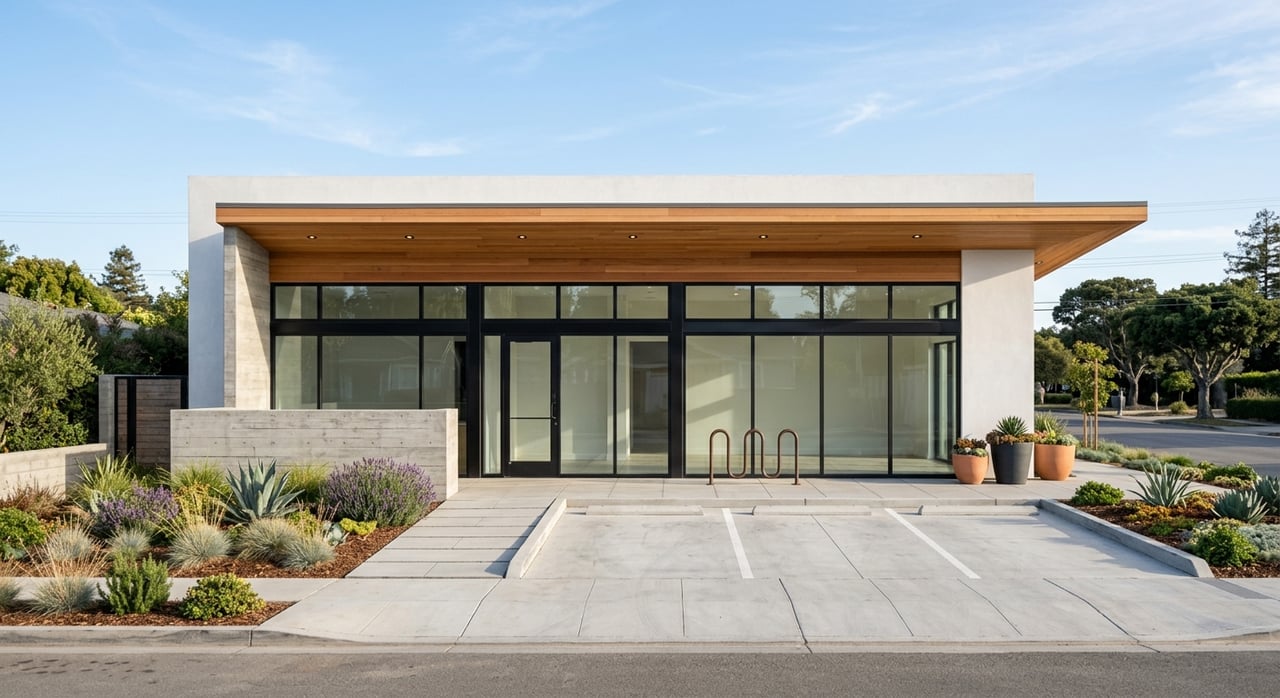
If you are leasing retail space, frontage, customer access, and visibility usually matter most. A location with strong exposure may support walk-in traffic and make signage more effective. But visibility is only useful if your business can legally operate there and your customers can access it conveniently.
You should also review whether the lease protects your use in practical ways. For example, if direct competition in the same center would hurt your business, an exclusive-use clause may be worth discussing. If your business depends on a specific storefront position, look closely at any relocation language in the lease.
Office Space Priorities
For office users, the space often needs to work well for both staff and clients. Convenient access and practical parking are key questions. A beautiful office loses value quickly if visitors struggle to find parking or if the layout does not support how your team actually works.
Office users should also think ahead about growth or downsizing. Assignment and sublease terms can affect your flexibility if your business changes during the lease term. That matters more than many tenants realize at the beginning.
Light Industrial Priorities
For light industrial users, loading access, circulation, and site function are often central. Torrance’s permit support materials also point to issues like hazardous-materials information, fire-related review, and tenant improvements. If your operations involve deliveries, equipment, or specialized compliance issues, the right site has to support those needs from the start.
This is one area where a lower advertised rent can be misleading. If a space creates delivery bottlenecks or triggers added improvement costs, it may not be the better deal in practice. You want a property that supports operations, not one that forces constant workarounds.
Understand the Lease Type
Not all commercial leases work the same way, even when the base rent sounds comparable. The structure of the lease can change your monthly cost, your budgeting risk, and your long-term flexibility. That is why it helps to understand the common formats before you compare properties.
Common Lease Structures
- Gross lease: You pay one base rent amount, and the landlord pays building-related expenses.
- Net lease: You pay base rent plus some share of taxes, operating expenses, and or insurance.
- Modified gross lease: The lease often uses a base year and passes through your share of increases above that base year.
- Percentage rent lease: Often used for retail, this includes base rent plus a percentage of sales above a negotiated breakpoint.
A lower base rent does not always mean lower total cost. Depending on the lease type, your real monthly obligation may rise with operating expenses, taxes, or insurance. Shorter leases can also come with higher monthly payments, and early termination can be expensive.
Review the Clauses That Matter Most
The best lease is not always the one with the lowest advertised rent. It is the one that fits your business plan and clearly addresses your risks. Several clauses deserve close attention before you commit.
Permitted Use
Your permitted-use language should be broad enough for your business concept and aligned with zoning and property rules. If the lease is too narrow, you may limit your future options. If it does not match city requirements, you could face delays or worse after signing.
Delivery of the Premises
If the landlord is supposed to complete work before move-in, get that obligation spelled out clearly. Vague promises can create delays and disputes. This is especially important if your opening date matters or if the space needs buildout before operations can begin.
Assignment and Sublease
Business needs change. If you grow, merge, relocate, or need to reduce space, assignment and sublease terms affect your options. A lease that gives you no flexibility can become costly later.
Relocation Rights
Some leases give the landlord the right to move your business to another suite or storefront. That can be a major issue if your value depends on visibility, customer habits, or proximity to other businesses. Review this language carefully.
Permit Contingencies
If your business depends on approvals such as a conditional use permit, health permit, or liquor license, the lease should account for that timing. Without the right contingency language, you may be on the hook for rent before you are actually ready to operate. In Torrance, permit-related timing can be a real part of the leasing process.
Check Parking, Access, and Signage Early
In Torrance, parking and site access can shape the customer and employee experience more than many tenants expect. These are not details to leave for the end of the process. They should be part of your property review before you negotiate final lease terms.
The city’s commercial inspection checklist includes code-related requirements for parking space striping and sizing, accessible parking and signage, screening of certain equipment, address numbers, and approved building signage. If your business model depends on ease of arrival or a polished storefront presence, those details matter.
Street conditions matter too. Torrance notes that parking is restricted from 4:00 a.m. to 6:00 a.m. in commercial and industrial areas for street sweeping, and some nearby streets may also be affected by permit-parking districts. For businesses with early shifts, deliveries, or customer pickup patterns, that can influence how practical a location really is.
The city also notes California’s daylighting law, AB 413, which affects stopping or parking within 20 feet of the vehicle approach side of a marked or unmarked crosswalk. Torrance further states that drivers cannot stop, park, or leave a vehicle in front of a driveway except temporarily while loading or unloading. For storefront businesses, those rules can affect curbside convenience and how customers approach the space.
Signage deserves the same level of attention. Torrance requires a sign permit for business signage. So if your business depends on strong street visibility, do not assume you can just add signage later without review and approval.
Factor in Permits and Buildout Timing
Many small businesses need some level of improvement before opening. In Torrance, permit support materials reference items such as sign permits, business licenses, conditional use permits, tenant-improvement building permits, and hazardous-materials information. That tells you one important thing: opening a business is often about more than getting keys.
If the space needs work, ask practical questions early. What condition will the space be delivered in? Who pays for improvements? Is there a tenant-improvement allowance? How long will permitting and construction likely take based on the scope of work?
These questions matter because your carrying costs can begin before revenue does. A lease that looks attractive upfront can become stressful if improvement timelines are not realistic. Clear planning helps protect both your budget and your opening schedule.
Use Torrance Resources to Your Advantage
Torrance offers several local tools that can help small-business tenants make better decisions. The city provides site-selection assistance, a commercial real-estate map, a centralized permit center, expedited permitting support, and online permit-status tracking. Those resources can help you compare options with more confidence.
The city also offers a Commercial Rehabilitation Rebate Program that may help with some exterior improvements. If you are considering a space that needs signage, facade work, or other visible upgrades, that is worth factoring into your planning. Local resources can make a meaningful difference when timing and appearance both matter.
Bring in the Right Professionals
Commercial leasing decisions often involve more moving parts than tenants expect. If the lease terms are unclear, SBA guidance recommends attorney review before signing. That is especially important when the deal includes complicated expense pass-throughs, tenant improvements, or permit-driven timing.
A strong team can help you evaluate the full picture, not just the asking rent. Depending on the deal, that may include a commercial real estate broker, attorney, contractor or architect, and accountant. Their input can help you model true occupancy cost, review risk points, and avoid problems that are hard to fix after the lease is signed.
For small-business owners in Torrance, local market knowledge can be especially valuable. A space may look promising online, but local insight can help you ask better questions about zoning fit, parking patterns, permitting realities, and the tradeoffs between one block, center, or building and another.
A Practical Leasing Checklist
Before you sign a lease for small-business space in Torrance, make sure you can answer these questions clearly:
- Is the site zoned for your intended use?
- Do you need health, fire, building, sign, or conditional use approvals?
- Does the location support your hours, staffing, deliveries, and customer access?
- Is the parking workable for employees, clients, and operations?
- Does the lease type match your budget and risk tolerance?
- Are the permitted-use, relocation, assignment, and sublease clauses acceptable?
- If buildout is needed, who pays and what is the timeline?
- Do you need signage, and has permit timing been considered?
- Have you reviewed the lease with the right professionals before signing?
Leasing business space is a big decision, but it does not have to feel overwhelming. When you match the space to your operations, verify local requirements early, and understand the lease beyond the base rent, you put yourself in a much stronger position to open with confidence.
If you are exploring retail, office, or light industrial opportunities in Torrance and want practical local guidance, DnG is here to help you make a smart, well-supported move.
FAQs
What should you verify before leasing commercial space in Torrance?
- You should confirm zoning compatibility with the city before signing a lease or moving in, and you should also identify any needed permits or inspections tied to your use.
What lease terms matter most for Torrance small-business tenants?
- Key terms often include permitted use, delivery condition of the space, assignment and sublease rights, relocation language, and permit-related contingencies.
How does parking affect a commercial lease in Torrance?
- Parking can affect customer access, employee convenience, deliveries, and storefront usability, and local rules such as street-sweeping restrictions, permit-parking districts, and curbside limitations can all play a role.
What permits might a Torrance business need before opening?
- Depending on the use and space, a business may need items such as a business license, sign permit, tenant-improvement permit, zoning-related approvals, fire inspection, health permit, or other city review.
When should you involve a broker or attorney in a Torrance lease?
- It is wise to involve professionals early, especially if the lease has unclear terms, expense pass-throughs, buildout obligations, or timing that depends on permits and approvals.