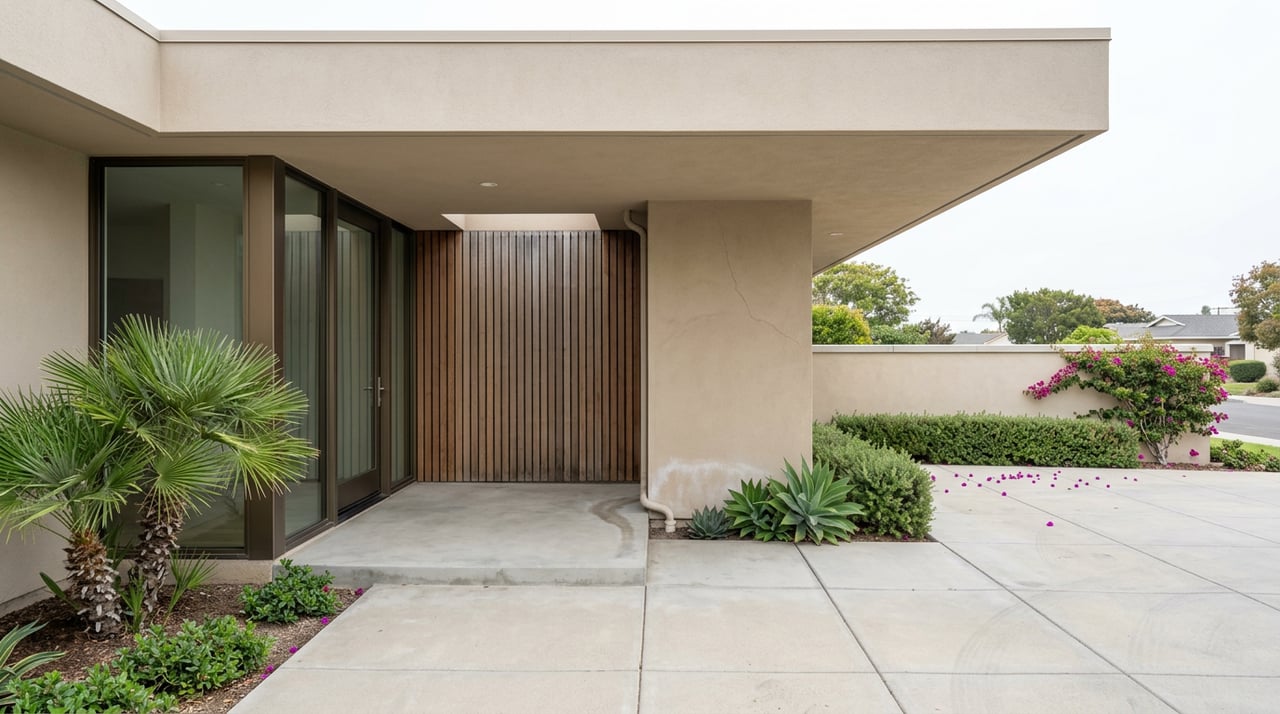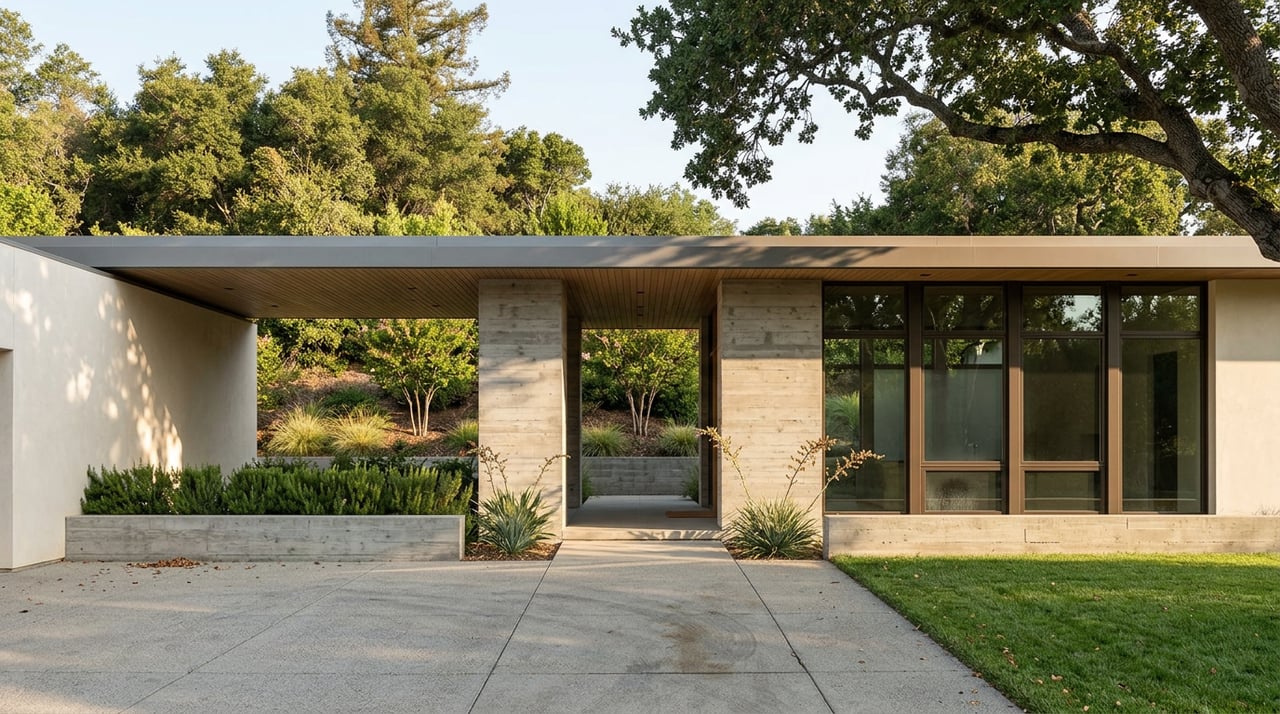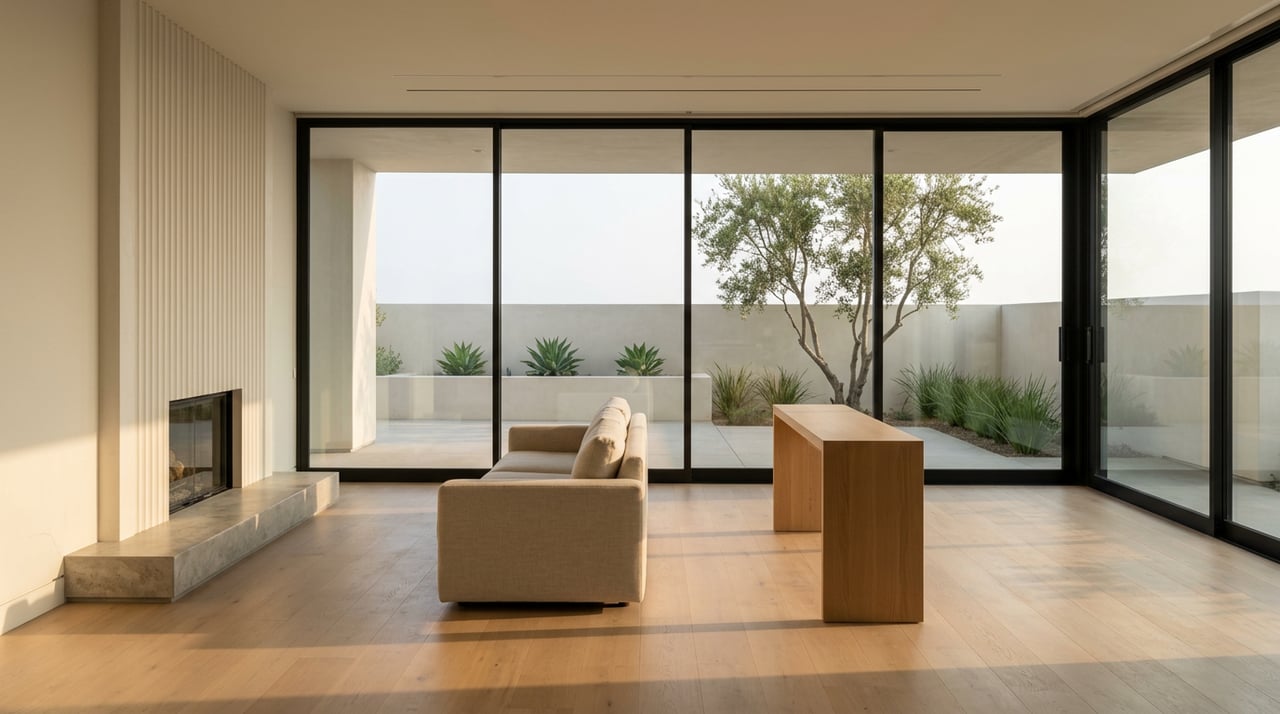
A seller in El Segundo pulls the preliminary title report a week before listing and finds a document reference she doesn't recognize: an aircraft noise easement, recorded years earlier, tied to the parcel. Her buyer's agent, working the deal from the other side, has already noticed the small placard bolted inside the hall closet next to the HVAC unit. It reads RSI Program, with a completion date from over a decade ago. Neither one knows quite what to do with it. The house shows beautifully. The disclosure packet doesn't have a clean line for this.
That scene plays out more often in El Segundo than almost anywhere else in the South Bay, because a meaningful share of the city sits inside LAX's federally mapped noise contour, and thousands of its homes have gone through a federally funded sound insulation program that most agents outside this stretch of coastline have never dealt with. The mechanics of that program, not just the fact that it exists, are what actually matter to a seller right now. Here's what's in the fine print, and why it follows the house rather than the person who signed up for it.
The Program Behind the Placard
The LAX Residential Sound Insulation Program, run by Los Angeles World Airports with FAA funding, has been treating homes in the flight path since the early 1990s. A separate phase of the program in the City of Los Angeles ran from 1997 until it was declared complete and closed in 2014, having sound insulated 7,327 units. El Segundo's participation has run on its own track: 1,851 units in the city have already been treated under the earlier phase.
That number is the reason this matters for a seller today. LAWA has since relaunched the RSI Program specifically to reach the homes that earlier phases missed, targeting previously untreated units in El Segundo and in two Los Angeles City Council districts that border the airport. Eligibility is tied to the 2020 Noise Exposure Map: a home qualifies if it sits inside the 65 dB noise contour and tests at an average interior noise level of 45 dB or higher. When LAWA relaunched this phase, it set a rough seven-year timeline to reach these homes, working in batches of about 100 at a time and starting with the loudest blocks first. That relaunch dates back to around 2022, based on the project records available, which means the clock is already several years in. A seller shouldn't assume how much runway is left without confirming current queue status directly with the city or LAWA.
For a seller, that timeline creates two very different situations depending on which side of it a home falls on. A home already treated under the earlier phase carries documentation and, in some cases, a recorded easement that a buyer's agent or title company will eventually surface. A home still waiting in the current queue may be mid-application, mid-construction, or not yet contacted at all, and a seller who lists without knowing which stage applies is walking into escrow blind on a question a sharp buyer's agent will ask directly.
Why the Fine Print Follows the House
Here's the part that catches sellers off guard. The sound insulation itself, and any easement that came with it, is not a benefit the original homeowner keeps. It is a condition attached to the property.
The mitigation belongs to the house. When there is an easement, the easement belongs to the house too.
Under the program's standard terms, homes built in 1989 or later have been required to grant a noise easement to LAWA as a condition of participating. In a small number of cases, for homes closest to the runways, selling noise rights outright at fair market value has been a further condition. Once a home goes through the program, it is treated going forward as mitigated property, meaning any future sale is understood to be a sale of a home that was deemed compatible with airport noise operations at the time of treatment. That designation doesn't reset when ownership changes hands.
This is the piece a seller needs to run down before listing, not after an inspection contingency surfaces it. If a recorded easement exists, it will appear on a title search regardless of whether the seller mentions it. California's general disclosure standard requires sellers to disclose known material facts that could reasonably affect a buyer's view of the property, and a noise easement tied to federal aviation use is squarely the kind of fact that standard was written for. Finding out during escrow that a buyer's lender or title company has questions about an encumbrance the seller didn't know how to describe is a slower, more expensive way to answer the same questions the seller could have answered up front.
What to Gather Before the Home Goes on the Market
A seller whose home has been through the RSI Program, or whose home sits inside the current eligibility contour, should pull together a short file before listing:
- Any LAWA or City of El Segundo correspondence confirming participation, treatment dates, or current queue status
- The workmanship and product warranty documentation LAWA provides to program participants, kept with the sale file so a buyer's agent isn't asking about it cold
- A copy of the preliminary title report, checked specifically for a recorded aircraft noise easement rather than relying on a general title summary
- Confirmation of where the home falls relative to the current application-to-completion timeline, which LAWA describes as running one to two years from signup, with the actual construction phase typically lasting about ten business days once scheduled
One reassurance worth passing to a seller mid-process: LAWA has stated the RSI Program will not cause the County Assessor's Office to increase a home's assessed value. Sound insulation upgrades, in other words, don't trigger a reassessment the way a major addition might.
What the Price Data Is Actually Saying
Sellers of RSI-eligible homes tend to own an older, smaller housing stock concentrated closest to LAX's boundary, which is exactly the segment where the current market data gets interesting rather than discouraging.
Over the three months ending May 2026, El Segundo's citywide median sale price was $1.6 million, down 11.4 percent from the same period a year earlier. Read on its own, that looks like a softening market. But the median price per square foot over the same window was $869, up 6.2 percent year over year. A city-level median can drop while the per-square-foot value climbs when the mix of what's selling shifts toward smaller or more modest homes relative to the prior year, rather than because comparable homes are worth less.
The zip-level data for 90245 sharpens that picture further. Over the three months ending June 2026, the median sale price there was $1.7 million, down 9.52 percent year over year, while the median price per square foot jumped 58 percent to $1,190. A swing that large in a single metric is also a signal about volume: only 28 homes sold in that window, down from 30 the year before. When a market moves this few properties a month, one or two unusual sales, whether a large lot near the coast or a compact insulated bungalow closer to the runway, can swing the average sharply in either direction. The headline number is real, but it isn't a stable enough sample to read as a verdict on where any particular pocket of the city stands.
For a seller with an older, RSI-treated home close to the airport, the practical takeaway isn't that the market has softened for that home specifically. It's that the segment is thin enough that pricing needs to be built from comparable sales in that immediate radius, not from a citywide or zip-wide median that's being pulled around by a handful of transactions on the other side of town. A buyer's agent working the same numbers will notice the same thing, and a seller who can speak to it directly holds a stronger position at the negotiating table than one relying on the top-line figure alone.
The Short Version
A sound-insulated home in El Segundo isn't a liability, and it isn't a marketing bullet point either. It's a property with documented history that a buyer's team will eventually find on their own, and a market segment thin enough that pricing strategy has to be local and specific rather than borrowed from a citywide average. Handling both well before the home ever hits the market is what separates a smooth escrow from a slow one.
A Few Questions Sellers Ask
Does sound insulation increase my property taxes? No. LAWA has confirmed that RSI Program treatments do not result in the County Assessor's Office increasing a home's assessed value.
Do I have to disclose that my home went through the program? If a noise easement is recorded against the title, it will surface in any standard title search, and California's disclosure standard already requires sellers to share known material facts that could affect a buyer's decision. Treating the RSI history as something to explain proactively, rather than something a buyer discovers mid-escrow, tends to move transactions faster.
My home is on the waiting list, not yet treated. Should I sell first or wait? That depends on timeline and priority. LAWA has said the current phase moves in batches of about 100 homes, starting in the loudest areas, with the full process from application to completion typically taking one to two years. A seller close to the front of that queue may want to time a listing around it. One further back may not want to wait at all. Either way, it's worth confirming exactly where a home sits in that queue before deciding.
If you're weighing any of this for a home near LAX's noise contour, or just want a clearer read on what your specific block of El Segundo is actually doing right now, Deborah Naumovski and the team have been through this exact conversation before. Let's Connect.