If you have ever driven through Palos Verdes Estates and wondered why the homes feel so visually connected, you are not imagining it. This is a city where architecture, landscape, and views were planned to work together, which gives many streets a distinct and memorable character. If you are buying or selling here, understanding the local architectural styles can help you better evaluate a home’s appeal and fit. Let’s dive in.
Why Palos Verdes Estates Feels So Cohesive
Palos Verdes Estates was planned as a coastal residential community by the Olmsted Brothers for Frank A. Vanderlip, and the first Spanish-style homes appeared in the early 1920s. The city’s own history materials tie its identity to street trees, ocean and hillside views, building architecture, dedicated open space, and residential roadways. That combination still shapes how the city looks and feels today.
Open space is a major part of that identity. The Parklands system accounts for 28 percent of dedicated open space, which helps preserve the spacious, estate-like setting many buyers notice right away. In practical terms, homes here are not just about the structure itself. The lot, the landscaping, and the way the home sits in relation to the street and view all matter.
Another reason for the city’s unified look is its design review process. The Planning Commission, Palos Verdes Homes Association, and Art Jury review projects for exterior design, site planning, hardscape, landscape, color, and materials. That review process helps maintain a strong visual character across the community.
Spanish Revival Leads the Way
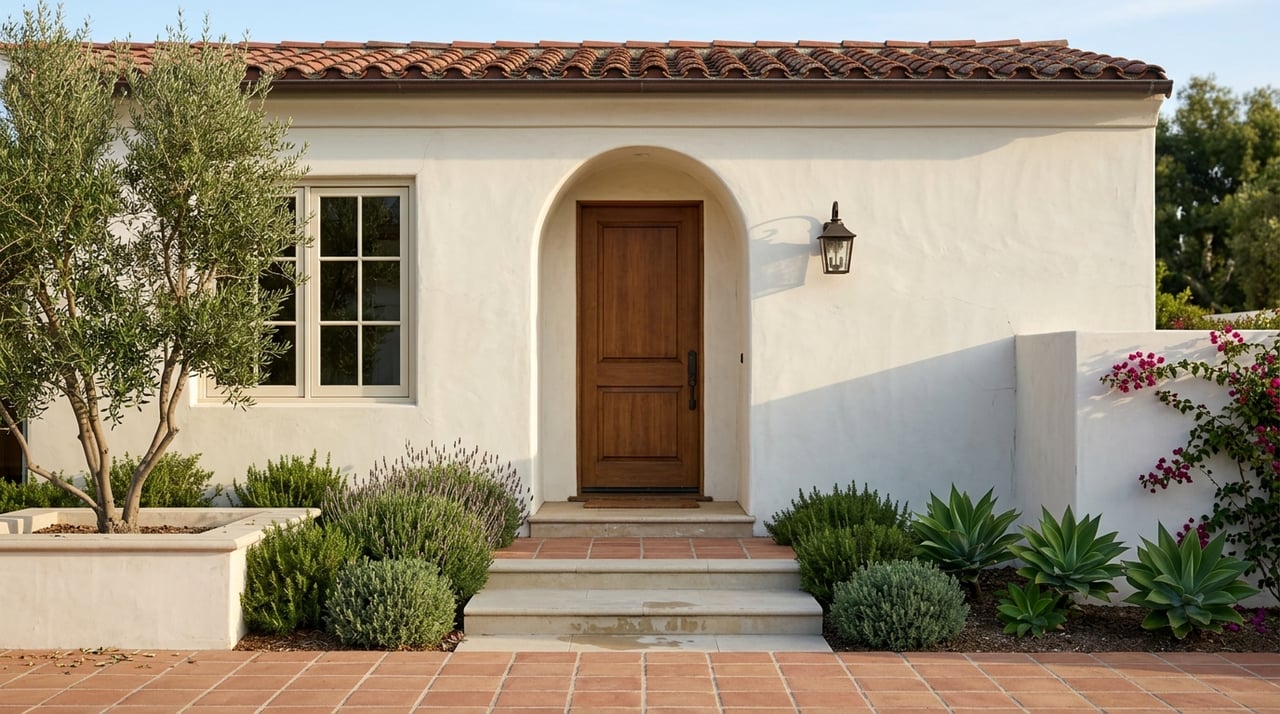
According to the city’s current objective design standards, Spanish Revival is the most prevalent architectural style in Palos Verdes Estates. For many buyers, this is the style most closely associated with the city’s historic charm. It is also one of the clearest examples of how local architecture connects with the coastal landscape.
Spanish Revival Features to Look For
Spanish Revival homes often include:
- Low- to moderately pitched roofs
- Red terracotta barrel tile
- Minimal roof overhang
- Stucco walls
- Arched entryways
- Wrought iron details
- Accent colors around doors and windows
Many buyers also respond to the feeling these homes create. Courtyards, interior patios, tile roofs, and archways often give Spanish Revival homes a more sheltered and processional layout. Compared with later modern styles, they can feel more enclosed, shaded, and formal in the way you move through the home.
Local Landmarks That Define the Style
Several local landmarks help illustrate this design language. City history highlights La Venta Inn, Malaga Cove Plaza, the Palos Verdes Bathhouse and Beach Club, Malaga Cove School, and the Neighborhood Church as important early examples of Spanish- and Mediterranean-influenced architecture. Malaga Cove Plaza is also recognized in state historical resources as an excellent example of Mediterranean Revival architecture.
For buyers, these landmark buildings offer a helpful visual reference. Even when you are looking at private homes instead of civic buildings, many of the same cues show up in rooflines, materials, arches, and the relationship between building and landscape.
Mediterranean Revival Adds Coastal Elegance
Mediterranean Revival overlaps closely with Spanish Revival in Palos Verdes Estates. In many cases, buyers use the terms loosely because the homes share similar materials and forms. What stands out most is the emphasis on texture, symmetry or near-symmetry, and a connection to outdoor living spaces.
This style works especially well in a coastal hillside setting. Stucco walls, tile roofs, and courtyards can feel grounded and substantial, while arches and patios help soften the transition between indoors and outdoors. In Palos Verdes Estates, that blend supports the city’s long-established visual identity.
Craftsman Offers a Warmer, Handcrafted Feel
Craftsman is the city’s secondary official style, even if it is less visually dominant than Spanish Revival. For buyers who want something more natural and handcrafted, Craftsman homes can be especially appealing. The style tends to feel more informal while still fitting into the city’s broader architectural framework.
Craftsman Features to Know
In the city’s style guide, Craftsman is associated with:
- Recessed balconies
- Low-pitched roofs
- Roof overhangs
- Wood shingles
- Exposed rafter tails
- Entry trellises
- Columns resting on piers
- Raised porches
- Natural building materials
These homes often attract buyers who like visible craftsmanship and layered detail. While Spanish Revival may feel more romantic or historic, Craftsman homes often feel grounded, textured, and welcoming.
Mid-Century Modern Brings Openness and Glass
Mid-century modern is not the city’s original signature style, but it adds an important later layer to the local housing stock. In a city dominated by Spanish Colonial Revival and Mediterranean Revival homes, modernist properties stand out in a different way. They often place less emphasis on ornament and more emphasis on light, openness, and views.
The Los Angeles Conservancy identifies the Moore House in Palos Verdes Estates as a strong local modernist example. It featured angled roof overhangs, locally quarried Palos Verdes stone, expansive windows, and an upper-floor arrangement designed to capture ocean and coastline views. That approach reflects a broader mid-century idea that architecture should respond directly to site and outlook.
Mid-Century Features Buyers Often Mean
When buyers say they love mid-century style, they are often talking about features like:
- Open floor plans
- Large communal living areas
- Built-ins
- Picture windows
- Sliding glass doors
- Exposed structural members
- Wide eave overhangs
- Flat or low-pitch roofs
The overall effect is usually more casual and flowing. These homes often make it easy to move between living areas and outdoor spaces, which fits naturally with the Palos Verdes Estates landscape.
Contemporary Style Fits Coastal Living
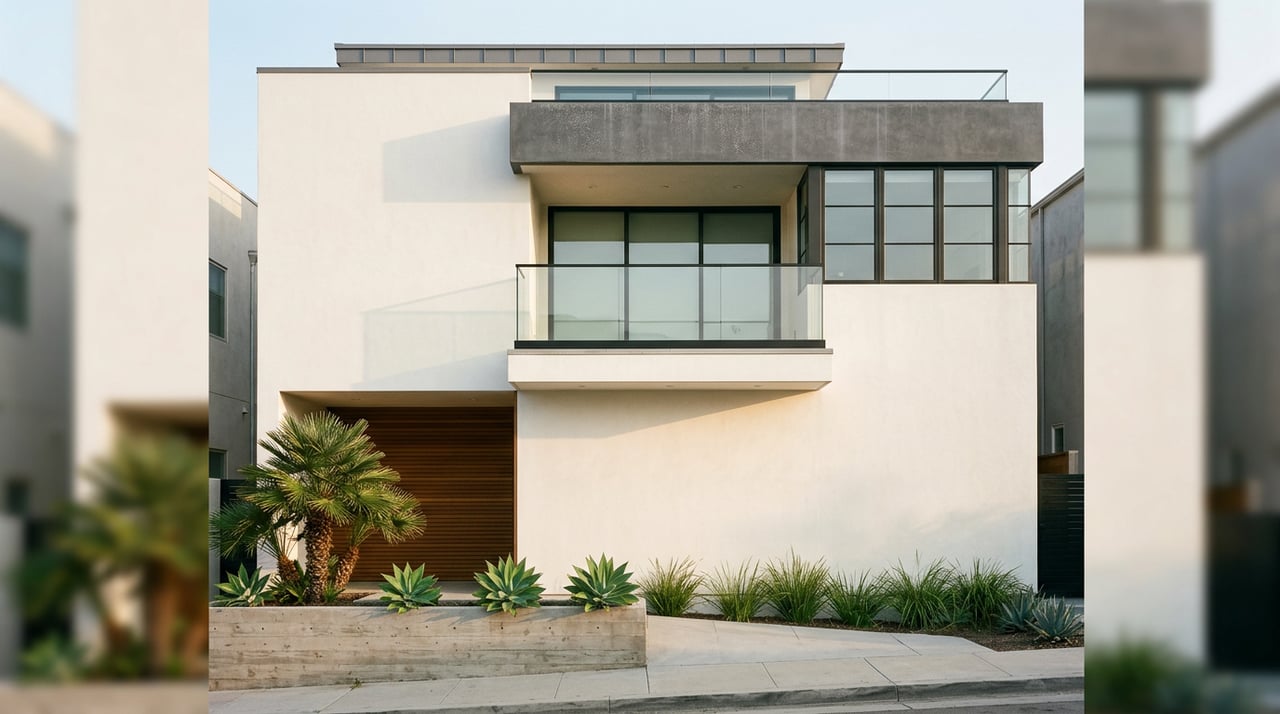
Contemporary is also one of the city’s official architectural styles. In Palos Verdes Estates, contemporary homes often feel lighter and more streamlined than older revival styles. They usually focus on clean lines, large glass areas, and a strong connection between interior rooms and outdoor terraces or patios.
Contemporary Features to Watch For
The city’s contemporary style guide points to features such as:
- Roof overhangs
- Low-pitched roofs
- Trapezoid-shaped windows
- Neutral primary wall colors
- Accent color details
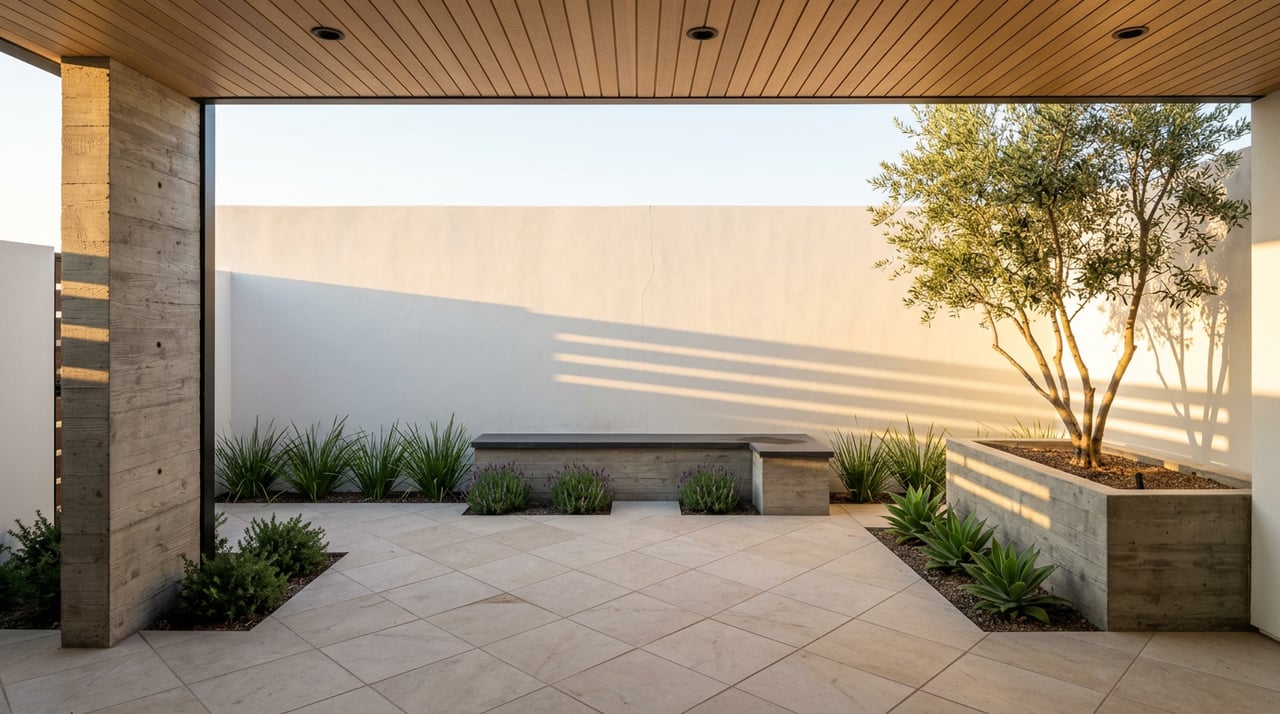
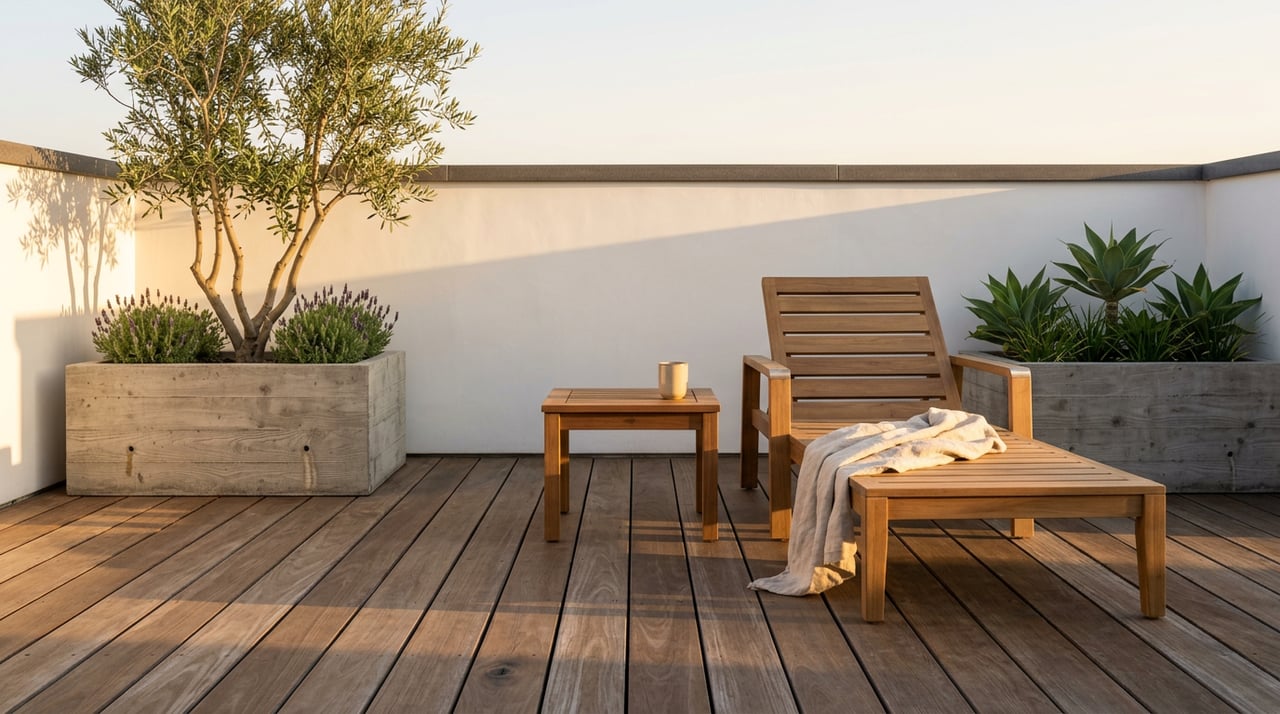
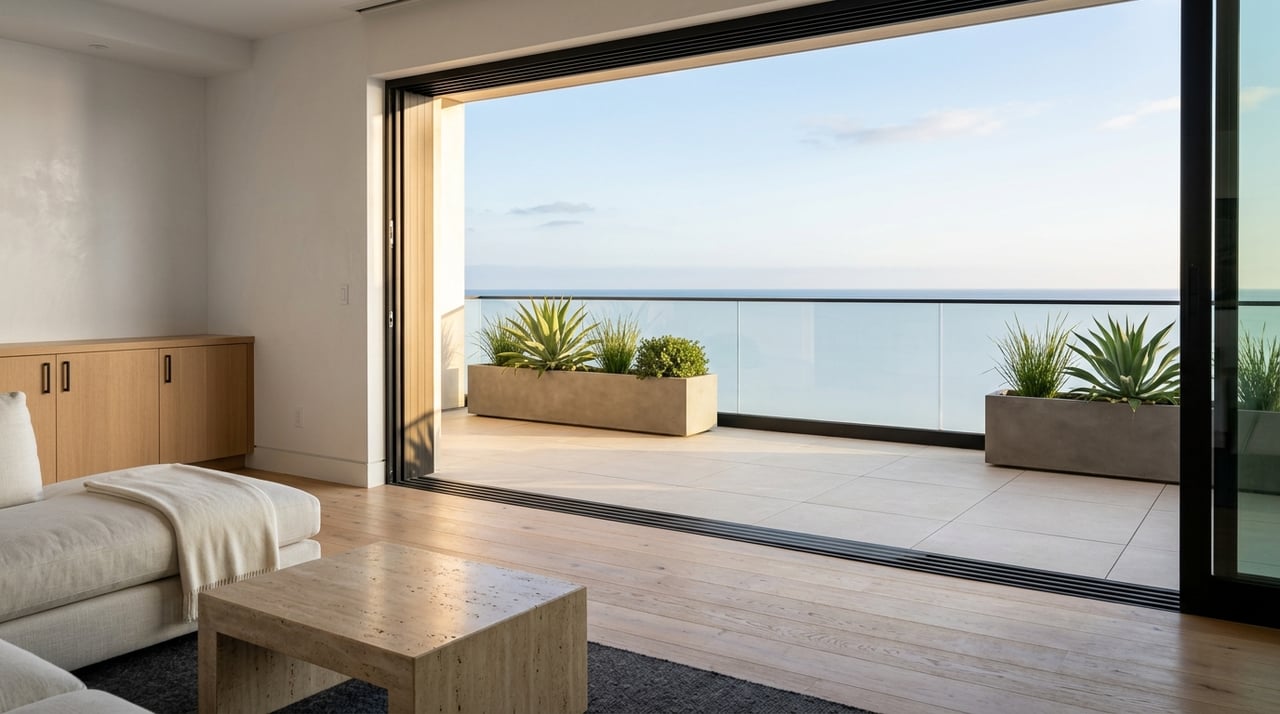
More broadly, contemporary homes are often associated with floor-to-ceiling windows, sliding glass doors, patios, and terraces. For buyers, this can translate into brighter interiors, easier indoor-outdoor living, and a stronger focus on coastal light and views.
How the Land Shapes the Homes
One of the most important things to understand about Palos Verdes Estates is that the land helps shape the architecture. The community was planned around rugged, hilly terrain rather than forcing a rigid street grid onto it. Curving roads, terraced home sites, and green space connections all reflect that early planning logic.
That topography still matters when you evaluate a home today. In many cases, a property’s orientation, setbacks, deck placement, courtyard design, and terracing are just as important as the style itself. A home here is often experienced through its outlook and its relationship to the site, not just its floor plan.
The city’s housing-element memo also notes that undeveloped residential land generally carries a 15,000-square-foot minimum lot size and substantial private open-space requirements. That helps explain the more spacious, estate-like feeling buyers often associate with Palos Verdes Estates. It also supports the indoor-outdoor qualities found across Spanish Revival, mid-century, and contemporary homes.
How to Translate Style Into Buyer Preferences
If you are shopping for a home in Palos Verdes Estates, it helps to turn broad style labels into practical preferences. Buyers often know what they like emotionally before they know the formal architectural term for it. Understanding that difference can make your search much more focused.
What Buyers Usually Mean by Each Style
If you say you like Spanish Revival, you may be responding to arches, tile, stucco, wrought iron, courtyards, and a more formal entry sequence. If you say you like mid-century, you may be drawn to openness, built-ins, glass, and easy movement between the home and the outdoors. If you say you like contemporary coastal, you may be looking for cleaner lines, lighter visual massing, broad windows, and direct access to decks or patios.
A helpful way to think about the local market is that Palos Verdes Estates offers three broad design experiences. Spanish Revival often feels sheltered and romantic. Mid-century often feels open and glass-forward. Contemporary often feels lighter and more streamlined.
Why Style Matters for Buyers and Sellers
For buyers, understanding local architecture can help you identify what really fits your lifestyle. Two homes with similar square footage can live very differently depending on how they use light, views, outdoor space, and circulation. Style gives you clues about all of that before you even get into the details of finishes and floor plan.
For sellers, style helps shape presentation and buyer expectations. When a home’s architectural identity is clear, it is easier to highlight the features that make it feel authentic and appealing. In a place like Palos Verdes Estates, where design review and neighborhood character matter, that clarity can be especially valuable.
Palos Verdes Estates is not just one look repeated over and over. It is a layered coastal community with a strong visual hierarchy, where Spanish and Mediterranean roots remain dominant, while Craftsman, mid-century, and contemporary homes add depth to the local housing landscape. That mix is part of what makes the city so distinctive.
If you are exploring Palos Verdes Estates and want help understanding how style, setting, and neighborhood character come together, DnG is here to guide you with local insight and a thoughtful, low-stress approach.
FAQs
What is the most common architectural style in Palos Verdes Estates homes?
- Spanish Revival is identified by the city’s objective design standards as the most prevalent architectural style in Palos Verdes Estates.
What features define Spanish Revival homes in Palos Verdes Estates?
- Common features include low- to moderately pitched roofs, red terracotta barrel tile, stucco walls, arched entryways, wrought iron details, and accent colors around doors and windows.
Are Craftsman homes found in Palos Verdes Estates?
- Yes. Craftsman is part of the city’s official style framework and is associated with low-pitched roofs, overhangs, wood shingles, rafter tails, trellises, columns on piers, and natural materials.
How do mid-century homes in Palos Verdes Estates usually feel?
- Mid-century homes often feel more open and casual, with features like expansive windows, open floor plans, built-ins, and strong indoor-outdoor flow.
Why do Palos Verdes Estates homes feel so visually consistent?
- The city’s planned layout, open-space system, hillside setting, and ongoing design review process all help maintain a cohesive relationship between architecture, landscape, and views.
How does the landscape affect home design in Palos Verdes Estates?
- The city’s hilly terrain and view-oriented lots often shape terraces, courtyards, decks, setbacks, and the overall placement of the home on the site.