If you are selling a view home on the Palos Verdes Peninsula, you are not just selling square footage. You are selling a daily experience that buyers can see the moment they walk in. That can create real opportunity, but it also means your pricing, prep, and marketing need to be far more precise than they would for a typical home. Let’s dive in.
Why Peninsula View Homes Need a Different Strategy
The Palos Verdes Peninsula is made up of distinct markets, and each one carries a different kind of view value. Palos Verdes Estates is known for north-coast views over Santa Monica Bay, the Channel Islands National Park, and the Los Angeles Basin. Rancho Palos Verdes is defined by dramatic coastline, rolling hills, and open space, while Rolling Hills and Rolling Hills Estates offer their own mix of coastline, canyon, pastoral, and city-light outlooks.
That matters because buyers do not pay the same premium for every “view” home. On the Peninsula, value can change block by block based on the exact sightline, elevation, privacy, and how durable the view feels. A wide, unobstructed ocean panorama is different from a partial hillside peek, and buyers usually know the difference quickly.
Current pricing also shows how varied the Peninsula can be. In May 2026, median sale prices were $2,958,230 in Palos Verdes Estates, $1,733,463 in Rancho Palos Verdes, $1,798,923 in Rolling Hills Estates, and $5,221,875 in Rolling Hills. That spread is a good reminder that broad South Bay averages will not tell the full story for your home.
Price the Exact View You Have
One of the biggest mistakes sellers make is assuming the word “view” alone will carry pricing. Research supports the idea that scenic views can increase home value, but the premium depends on view quality, permanence, and the setting around the property. In other words, the market rewards the specific view, not the label.
On the Peninsula, that means your home should be measured against the closest and most relevant micro-location. A view home in Malaga Cove may compete differently than one in Lunada Bay, Montemalaga, Portuguese Bend, Miraleste, Riviera, or the Coastal Zone. Even within the same city, the buyer pool and value drivers can shift depending on topography, privacy, and orientation.
The strongest pricing approach usually starts with a few key questions:
- Is the view wide or narrow?
- Is it ocean, bay, coastline, canyon, city-light, or hill oriented?
- Is it visible from major living spaces?
- Does it feel private?
- Does the sightline appear stable and protected?
If buyers experience the view from the living room, kitchen, primary suite, deck, or backyard every day, that often matters more than a view that is technically present but hard to enjoy. That is why local pricing needs to reflect how the view lives, not just how it photographs.
Prep the Home So the View Leads
For a view home, pre-listing prep should remove anything that competes with the outlook. According to the National Association of Realtors’ 2025 staging survey, 83% of buyers’ agents said staging makes it easier for buyers to visualize the property as their future home. That is especially important when your home’s biggest selling feature is what buyers see through the windows.
A smart Peninsula prep plan is often simple and focused. You want the eye to move naturally to the horizon, coastline, canyon, or city lights without distraction. That usually means editing the space instead of overdesigning it.
View-Focused Seller Checklist
- Trim vegetation that blocks sightlines
- Clean windows and screens thoroughly
- Simplify heavy or dated window treatments
- Remove bulky furniture from key view rooms
- Refresh exterior surfaces that show in bright coastal light
- Improve curb appeal before photography and showings
These steps can have an outsized impact because Peninsula light tends to reveal every detail. Smudged glass, worn paint, or overgrown landscaping can pull attention away from what should be the star of the showing.
Address Exterior and Property-Specific Issues Early
View homes on the Peninsula often come with location-specific considerations that deserve attention before you hit the market. Exterior presentation matters, but so do local rules, safety items, and any physical factors tied to the property’s setting.
In Rolling Hills, exteriors are tightly controlled, and view-related issues may be processed through both city and Rolling Hills Community Association systems. New building or additions require approval, and the association maintains view protection guidelines and realtor documents. If your home is in Rolling Hills, it is important to verify the applicable showing and property rules before marketing begins.
In Rancho Palos Verdes, geologic conditions are a practical consideration for some properties, especially in and around the Portuguese Bend Landslide Complex. The city states that new residential construction in the landslide area, including additions, is permanently prohibited, while repairs and replacement within an existing footprint may be allowed. If your home is affected by these conditions, clear planning around presentation and documentation matters.
Wildfire preparedness can also be part of a strong pre-listing plan, especially for canyon-adjacent or brush-adjacent homes. CAL FIRE defines defensible space as the buffer between a structure and surrounding vegetation, and Rancho Palos Verdes advises homeowners to maintain defensible space and harden homes against embers. For many buyers, a well-maintained exterior supports both peace of mind and first impressions.
Show Buyers Where the View Lives
Most buyers begin their search online, and listing photos play a major role in whether they decide to see a home in person. The National Association of Realtors reports that 81% of buyers consider listing photos the most important factor when evaluating properties. For a view home, that means your marketing should do more than show the exterior and floor plan.
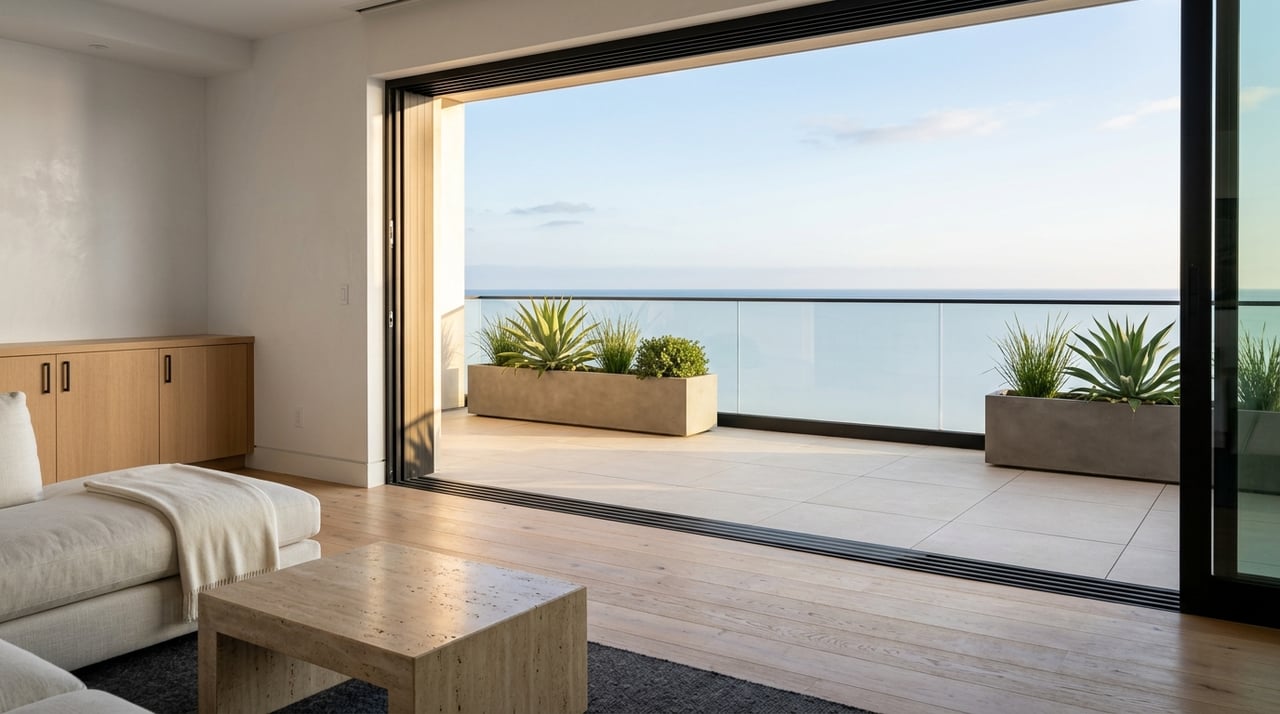
The photos need to show the view from the places where buyers will actually live with it. Focus on the main living area, kitchen, primary suite, deck, patio, and yard. If the view is strongest from certain rooms at certain times of day, your marketing plan should be built around that reality.
The Best Photography Strategy Is Honest
For Peninsula view homes, trust matters. Buyers can usually tell when online imagery promises more than the property delivers, and disappointment can damage momentum fast. The safest strategy is simple: use high-quality photography that accurately reflects the real sightline.
That is especially important in a market where buyers often compare multiple view properties in the same week. If the horizon line, privacy, or angle feels different in person than it did online, confidence can fade quickly. Strong marketing should create excitement, but it should also match the actual experience of standing in the home.
Respect Local Showing Norms
Some Peninsula communities require extra care in how homes are shown and advertised. Rolling Hills is the clearest example. The Rolling Hills Community Association states that Realtors bring buyers into the community in their own vehicle, public ads should not include the house number, and owner permission is needed before photographing homes for appraisal comparables.
Those details may seem small, but they are part of protecting privacy and keeping the process smooth. If your property is in a community with specific showing expectations, your listing plan should reflect them from the start.
Use the Right Peninsula Story
Every successful view-home sale needs a clear story, but it should be a factual one. Your home might offer Santa Monica Bay sunsets, a coastline backdrop, Catalina-facing water views, canyon openness, or city-light sparkle. The key is to describe what is truly there and connect it to the home’s layout and location.
This is where micro-location matters again. In Palos Verdes Estates, buyers may focus heavily on north-coast orientation and bay views. In Rancho Palos Verdes, they may respond to coastline drama, hillside setting, and open-space adjacency. In Rolling Hills Estates, a serene hill or canyon outlook may carry more weight than a distant ocean glimpse.
The goal is not to make broad lifestyle promises. The goal is to present the view as a real, usable asset that shapes how the home feels day to day.
A Smart Selling Plan for Peninsula View Homes
If you are getting ready to sell, the strongest path is usually the clearest one. Start with the local rules, remove distractions, handle key exterior details, price against the right micro-market, and market the sightline honestly.
That approach fits the Peninsula especially well because view value here is highly specific. Buyers are not just comparing homes by bedroom count or square footage. They are comparing how the property sits on the land, what they see from the main rooms, and whether that view feels worth paying for.
When you get those details right, your home stands a much better chance of attracting serious attention and strong offers. If you want thoughtful guidance on preparing, pricing, and presenting your Palos Verdes Peninsula home, connect with DnG for a clear, hands-on plan.
FAQs
How should you price a view home on the Palos Verdes Peninsula?
- You should price it against the closest relevant micro-location and the specific quality of the view, including sightline, privacy, elevation, and where the view is enjoyed from inside the home.
What prep matters most when selling a Peninsula view home?
- The most important prep usually includes trimming view-blocking vegetation, cleaning windows and screens, simplifying window treatments, reducing bulky furniture, and refreshing exterior areas that show clearly in coastal light.
Why do Palos Verdes Peninsula view homes vary so much in value?
- Values vary because the Peninsula is made up of distinct markets, and view premiums can change block by block based on orientation, topography, privacy, and whether the view feels wide, unobstructed, and durable.
What should listing photos highlight in a Palos Verdes view home?
- Listing photos should show the actual view from the rooms buyers will use most, especially the living area, kitchen, primary suite, deck, patio, and yard.
What special rules may apply when selling a home in Rolling Hills?
- Rolling Hills has community-specific practices that can affect exteriors, view issues, showing procedures, ad details, and photography, so sellers should verify those requirements before marketing the property.
What exterior issues should sellers consider for Rancho Palos Verdes homes?
- Sellers should pay close attention to property-specific conditions such as geologic context, exterior maintenance, and defensible space, especially for homes near brush, canyon areas, or the Portuguese Bend Landslide Complex.